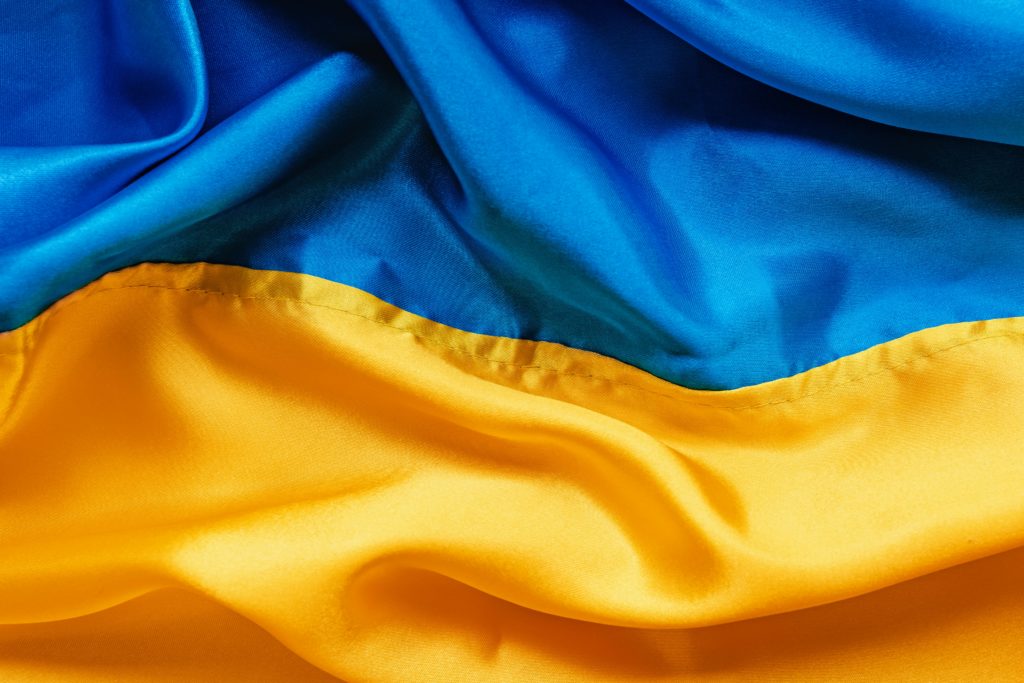
With the news and social media covering conflicts across the world, Somerset Youth Parliament doesn’t hesitate to engage in conversation around the increasing undermining of democracy and human values by world leaders and their projection of power.
Although a comparatively small nation, most people would consider the UK to be a fairly safe country to live in, compared to so many others.
Life isn’t easy for everyone as the divide between the rich and the poor widens, but as a nation we are quite affluent and we have freedom of speech (generally). Yet the UK isn’t completely immune to increasing threats to our fundamental democratic values, principals and some arguably toxic politics.
That’s why it’s more relevant than ever to have sensible discussions, to be willing to hear the views of others, and to improve political education in schools.
Ask yourselves – how would you use your power to vote and champion democratic values in your community, your country and how should we address the lack of these elsewhere?
Below, Iona writes empathetically about the Russian occupation of Ukraine and why it matters to all of us.
For just a moment, step with me into another world – the secret world of life under Russian occupation in Eastern Ukraine.
Imagine arriving one morning at school or college to be shocked by a totally different system. Not only has the style of learning changed, but lessons are also now taught in a foreign language and include the coercion of singing the national anthem of a country which is a threat to yours, and dangerous to you and your people.
Maybe you fancy a shopping trip with your friends after school – but, in the few shops that are left open and intact from conflict a currency you’ve never come across is now being used.
Imagine being ill in bed. You’re feverish, sick; you desperately need to see a doctor, but unless you get a foreign passport, you’re barred even from the basic human right of healthcare.
For those 18 or over, you might be tracked down and captured to become enslaved in the same military that is inflicting all these restrictions on you, your family, friends and neighbours.
The injustice of all war crimes is horrifying. “Where does all this end?” you have to wonder and ask yourself – but quietly. One word of complaint about current conditions, and the minimum punishment might only be losing your phone to the surveillance-specialised security services. There’s no knowing if they’ll return it when they’ve finished endless checks on your past behaviour and conversations, but at least you didn’t get arrested this time!
This traumatic ordeal is everyday life for innumerable young people in Ukraine. The population is going through these hardships on top of the usual horrors of war, and the additional brutality of war with Russia.
“Deliberate terror” since day one
24 February 2026 marked four years since Russia’s full-scale invasion of Ukraine, when millions woke up to war and vehicles of destruction rumbled across the border in a 40-mile convoy, storming west to ruin Ukraine’s economy, its dreams and its lives.
Almost 50 months into this tragedy now seems a good time to reflect, on what the past few years have meant for Ukraine and for us, as well as what they could signify about the future.
Russian atrocities and war crimes have been prevalent ever since day one of the war, and the 80-day siege of the South Eastern port city of Mariupol showcased some of the worst.
Originally about the same size as Bristol, this steel-producing city on the Black Sea had undergone many evacuation attempts by the end of March 2022. For those who soldiered on and stayed, life consisted of long hours wasted in claustrophobic basements or windowless bathrooms, scraping snow off the debris-covered streets for drinking water, and making short trips to the shops for food in the rare breaks between storms of missile attacks. Yet amidst what Zelenskyy referred to as “deliberate terror” the worst was still to come for Mariupol.
The brave civilians who had seen their families killed and the homes they knew reduced to rubble, witnessed a Russian takeover on the 20 May 2022, almost exactly three months after the invasion began, ushering in the clampdown of control.
The occupation has perpetuated the shocking situation, as people are stringing out an existence in uninhabitable bombed buildings on the outskirts of Mariupol – a city which has now become a Russian propaganda symbol. The rebuilt city centre with its focus on industry and supposedly attractive high-end apartments for Russian workers, mocks the plight of those left, those under occupation in less privileged areas.
What will the future hold?
Currently, there’s only a glimmer of hope that this symbolic city will ever get back its freedom, but Mariupol isn’t the only city in this dire situation. This picture of the storm which has engulfed Mariupol casts its shadow over the whole of Ukraine, and leaves in its wake a scary question: what next?
Four years on, will any eventual “peace” mean a repeat of Mariupol for much of Ukraine? Will what Zelenskyy referred to as “unconscionable” attacks and strikes continue? And what does all this mean for young people in the UK?
Currently, a just peace deal seems far away. Russia’s attitude to ending the war was summed up recently by a Russian government newspaper:
“We will continue strikes until Kyiv signs a peace agreement on our terms.”
Unfortunately, President Trump’s decision that the US “needs Greenland” seems to only fuel Russia’s stubborn, uncompromising attitude. The Russians see US attempts to act in spite of international law as validating their own actions.
A Russian newspaper editor commented on Trump’s actions recently. “I think it’s a very good example,” he said. Clearly, despite NATO attempting to support Ukraine with billions of dollars, the US is a severe destabilising force, much to the delight of Moscow.
Russia’s actions endanger us too
As the Ukrainians continue to fight for freedom and democracy with heroic courage, increasingly, the consequences for us of Russia’s attitude are also severe.
Over the past 12 months, Russian actions and language against European countries including what they’ve called “public enemy number one” – the UK – have included intimidation in the form of Russian drones in Poland and Germany, and a Russian spy ship targeting RAF pilots with lasers. Just as bad are the chilling words of the Russian media. “We haven’t bombed London and Birmingham yet, we haven’t yet wiped the British off the face of the planet,” said one Russian TV presenter. Putin himself has openly implied that there is no guarantee that Russia won’t start more wars.
What can we do to reduce the danger?
I believe our future, our lifetime, is being shaped right now, and we must do all in our power to decrease the danger and support freedom, democracy and Ukraine.
The way forward for young people like us is to speak out against disinformation, to stand against injustice, and when we get it, to use our voting power to bring in leaders who see allies abroad as a priority, not an inconvenience. I also believe that campaigning for a reduction in reliance on oil from abroad is vital too, as it means our foreign policy isn’t tied to energy. Most importantly, we must take advantage of the choices we have in our country, share them, and remember that young people in Ukraine had these choices too, once.
Let’s hope we can look forward to a future where we all have the fundamental rights of democracy and freedom, including those living in places like Mariupol.
Can we help the Ukrainians?
There are numerous charities working in Ukraine, and young people can easily get involved. Here are some links to a few websites:
Ukraine: what you can do to help – GOV.UK
Nova Ukraine | Heal, Build, Empower, Advocate
The Red Cross in Ukraine | British Red Cross
How to donate to charities supporting people in Ukraine crisis
Iona
Not just elected members
Did you know that Somerset Youth Parliament isn’t just it’s elected members? Any young person in Somerset aged 10-25 years can become a member of the Somerset Youth Parliament Advisory Group.
For more information about becoming a member of the Somerset Youth Parliament Advisory Group and to join, visit our Join Us page.