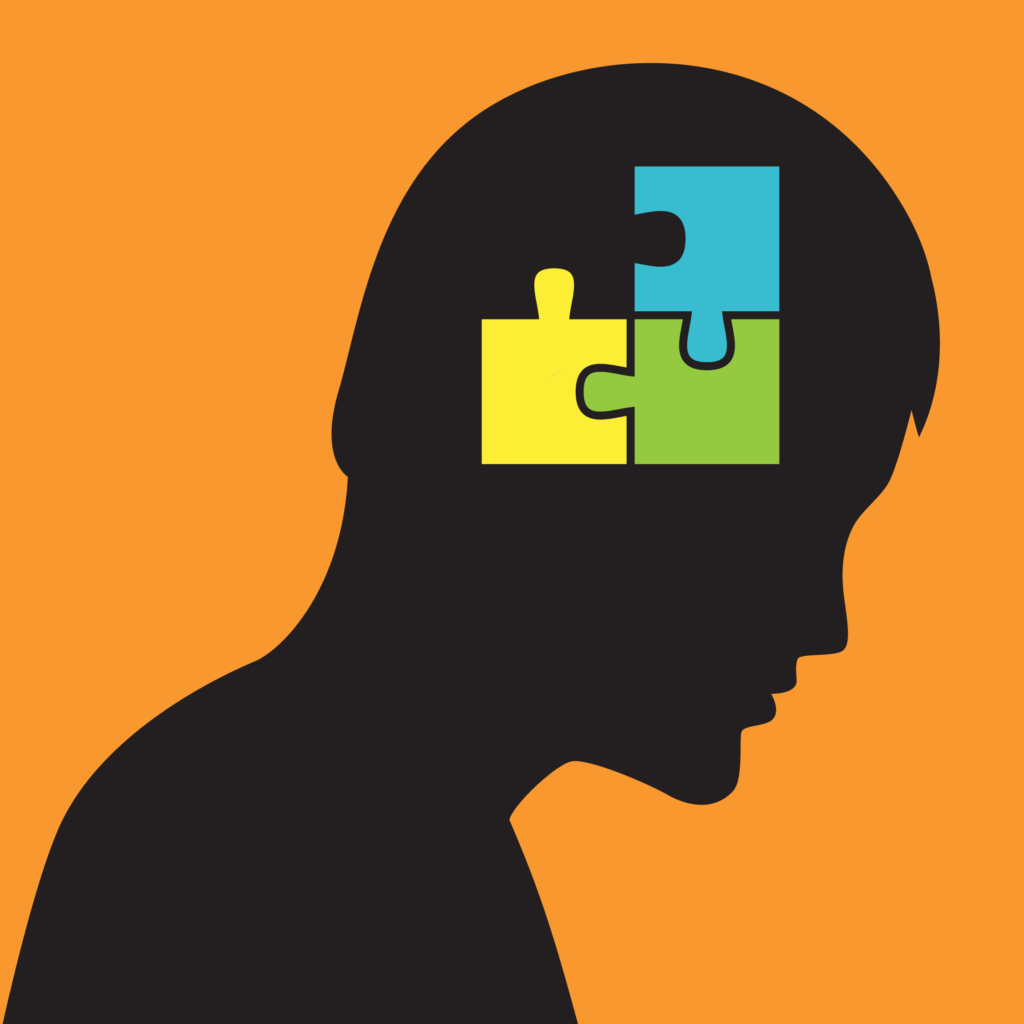
Men’s Mental Health Month takes place annually in November to raise awareness of the mental health challenges experienced by boys and men and to promote a society where men feel comfortable, respected and supported when discussing their wellbeing.
Men’s Mental Health Month seeks to break down the stigma associated with men discussing and displaying their emotions, with the use of specific resources created to stimulate conversation about emotional health.
The importance of Men’s Mental Health Month is emphasised through the shocking statistics, revealing that too many men feel unable or are uncomfortable reaching out for support when it comes to their wellbeing. For example, the UK Parliament asserted that four in five suicides committed are by men, with suicide being the biggest cause of death for men under 35.
This alarming statistic reinforces the importance of providing support and resources to men so that they seek suitable help and feel both validated and understood when receiving help.
Many factors can contribute to the fact that, according to the BUPA Wellbeing Index, 50% of men have struggled with mental difficulties at some point, yet fewer than half have ever sought medical advice; however, a significant factor across society is the expectations placed on men. It is recognised that social pressures, cultural expectations, or the belief that talking about emotions is a sign of weakness are a significant deterrent against men accessing support.
It’s vital that this stigma is challenged! campaigns such as Men’s Mental Health Month and movements such as the Movember Foundation continue to highlight the courageousness of accepting the need for mental health support and embracing the journey to improving wellbeing.
As a representative of Somerset Youth Parliament, I recognise the importance of ensuring children and young people understand that there is always someone who wants to help you and is willing to listen to your concerns, however insignificant you think they may be.
In particular, I want to break down the stigma that boys and men are not worthy if they discuss their mental health. Arguably, one of the most worthy and courageous actions to take is the action of asking for help and working to improve yourself and your mental health.
Gemma
Mental Health Helplines and Support Groups
If you or someone you know needs some mental health support, there are lots of places where you can get support, here are a few.
Mind – Call 0300 102 1234 or visit their website
Samaritans – Call 116 123 or visit their website
YoungMinds – Mental health help and advice tailored to young people – visit their website
Kooth – Mental health and wellbeing support, activities, and resources – visit their website