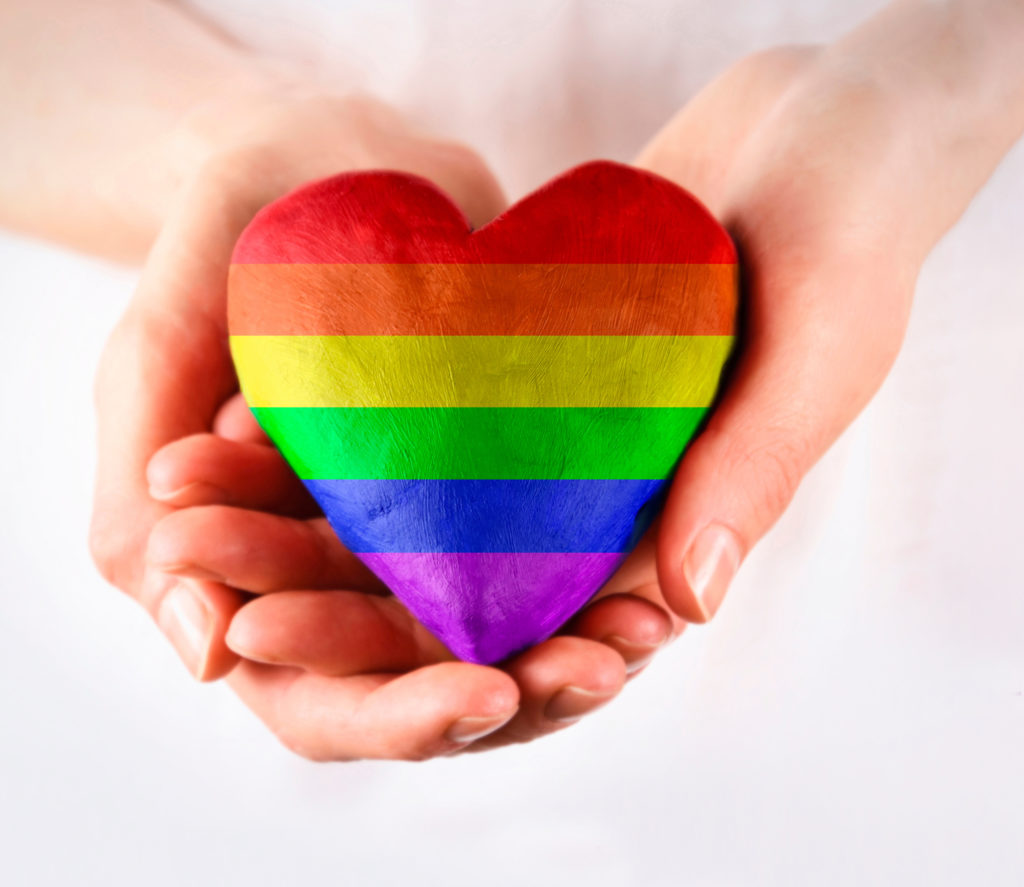
Sunday 11 October marks National Coming Out Day, it marks the anniversary of the 1987 National March on Washington in the US for Lesbian and Gay rights. On this day, people who are part of the LGBTQ community share their personal stories of coming out, as well as family and friends show their allyship by supporting their loved ones in the LGBTQ community.
In this article Lara, member of the Somerset Youth Parliament Advisory Group shares her experiences of coming out and the stereotypes she’s faced.
Inspired by national ‘Coming Out’ day on Sunday 11 October, I wanted to write a short piece about coming out and my experience being bisexual and having to come out regularly.
When I first discovered I was bisexual, a lot of the media I was consuming painted the narrative that you just had to get over the fear of coming out to your immediate family and friends and then the rest would be easy. There’s a lot of nuance that it didn’t cover regarding coming out to complete strangers, and even people not believing me, or questioning my queerness.
I’m lucky to work in a really LGBTQ positive environment, that celebrates Pride and differences and looks to uplift different voices, but I know that that’s not always the case for others. The South West can be a difficult place to grow up in when you’re queer, and coming out for some people can lead to social isolation. I know a lot of people from my school really struggled with personal identity due to fear of bullying and harassment.
Being bisexual has its own challenges as there’re a lot of people that assume your sexuality based on your partner. I’m in a heterosexual presenting relationship, which can often mean people don’t assume I am bisexual and it sometimes requires me to come out to people long past my initial realisation. This can be exhausting, and school and work presents a lot of new people constantly, with pressure to come out to people and have to explain yourself when some people might not quite feel ready yet. I’ve felt less and less like this is a part of myself I need to disclose as I’ve grown up, something that I’m still proud of, but not everyone has a right to demand of me.
Although labels can do wonders for young people, giving them a sense of community it can also feel for other people like they’re stuck in a box and can make expressing themselves and explaining themselves to other people quite challenging.
To anyone reading this, I don’t want you to feel like you have to have yourself all figured out, and to constantly explain yourself to other people. Your sexuality is yours to define, and you don’t need to announce anything until you’re ready. You never have to explain yourself.
Lara
Support for young people who are members of the LGBTQ community
Always remember that it is your choice to come out, when you are ready and on your own terms. If you are thinking about coming out, if you’re facing difficulties as part of the LGBTQ community or if you need support, there are organisations out there that can help you. Below are just a few:
2BU Somerset – If you’re a young person living in Somerset, you may find that being Lesbian, Gay, Bisexual, Transgender or questioning your sexuality or gender identity can be difficult. 2BU is dedicated to creating safe, life affirming spaces for LGBTQ+ children and young people. Their support includes, group sessions, community outreach and events.
Mermaids – This service supports trans, non-binary and gender-diverse children, young people and their families to navigate coming out, identifying gender or challenges that they may be facing.
Switchboard – A nationwide LGBTQIA+ charity, made up of a community of LGBTQIA+ people and allies that provides a phone line, chat and email service providing support for anyone who is part of the LGBTQIA+ community.