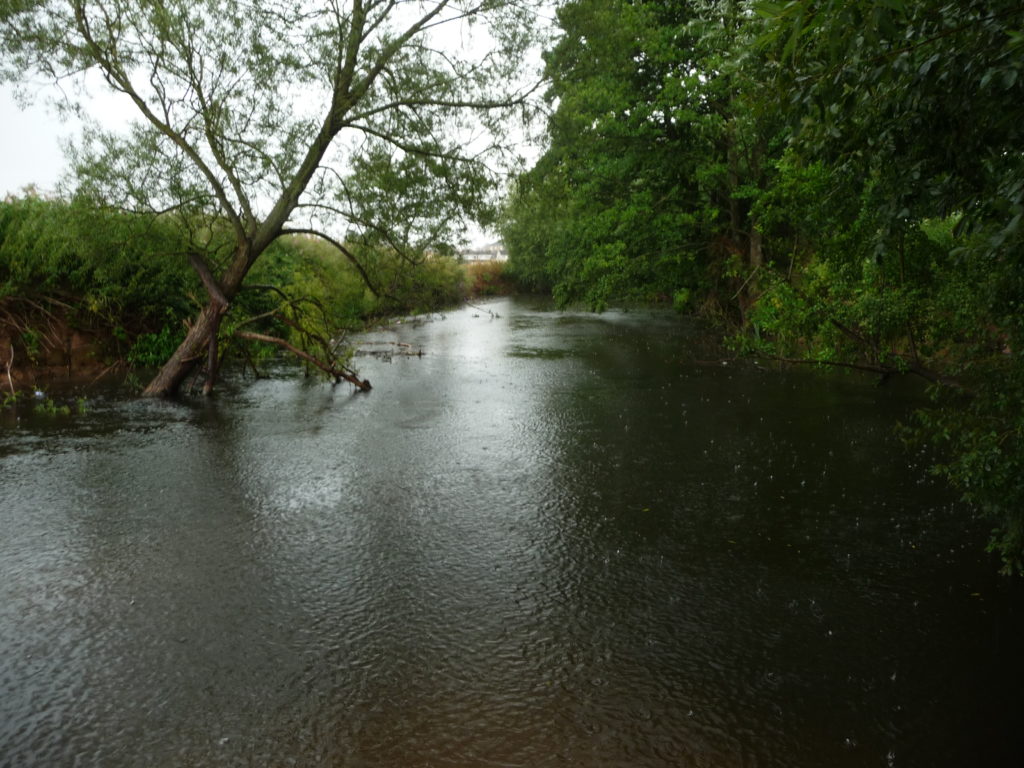
During the hot weather many of us look for ways to cool down, and often swimming can be a popular solution. Rivers can be a tempting place to hang out. They can be a great social hangout for friends to meet and host a range of activities including swimming and paddleboarding. But before you go and try these activities, an important question to ask yourself is: ‘what are the risks of rivers?’
We’ve seen in the news both recently and in previous years that numerous incidents of drowning have occurred in rivers, particularly during the summer. The victims of these tragic incidents have often found themselves trapped by reeds or injured in unexpected shallow water. These are only two examples of the risks rivers present. Therefore, it’s essential that before going into the water, people understand some key points:
- Rivers can be shallower than expected
If a river is thought to be deep, or looks deep, people can be tempted to jump in from high places. However, they can find themselves injured or in difficulty if they were not prepared for such shallow water. If you want to dive in the water, always check the depth first. Also please note that diving or jumping into water is a massive risk, as you can’t be prepared for what may be in the water
- Dangerous objects in the water
Rivers are not often clear water, meaning you can’t really see what lays beneath the surface. There could be sharp objects, mass amounts of rubbish or other objects you could get cuts or other injuries from. This is an important factor to consider, as there is no way to really prepare yourself for the potential injuries that could come from what’s hidden in the water
- It can be easy to get yourself into difficulty
In rivers, there are often reeds which have been known in many cases to trap people. When swimming your feet could become caught in the reeds, making it difficult to free yourself, swim farther and get out or seek help. Additionally, even the strongest, most experienced swimmers can become trapped in reeds or other obstacles in the river
- Beware of shocks to the system
Take care if you go wild swimming on particularly hot days, when you enter cold water, your body reacts instantly. The sudden cooling of the skin causes an involuntary gasp (which could lead to inhaling water). Your breathing rate will also rise and your heart rate can spike. This can lead to panic, disorientation and even hyperventilation. Cold water shock leads to on average about 20 accidental deaths a year- Check how clean the water is before getting in
You must always be careful to check that the water you are getting in to is clean enough for you to swim in. There are many reasons that water can be unhealthy to swim in, bacteria in standing water or incubated on especially hot days and sewage dumped up stream are common causes. You can check water quality before you swim with the Department for Environment Food and Rural Affairs Swimfo website.
Some advice
I would strongly advise that you do not swim/ take part in water activities when there is nobody else with you (ideally someone else who can swim!). If you were in a dangerous situation, there may not be anybody who can help you in this situation.
Furthermore, it is a good idea to swim next to a life buoy. These are circular objects (that look like a large rubber rings) which can be found both near the sea and in open water spaces and are designed to be thrown in to aid somebody trapped in the water. Just having this to hold on to can save their life. They’re not found at every point in a river, so it’s best to swim near one to ensure that one can easily reach you, if you find yourself in danger
The Canal and River Trust has more information on summer water safety on their website.
Grace
Not just elected members
Did you know that Somerset Youth Parliament isn’t just it’s elected members? Any young person in Somerset aged 10-25 years can become a member of the Somerset Youth Parliament Advisory Group.
For more information about becoming a member of the Somerset Youth Parliament Advisory Group and to join, visit our Join Us page.